lifestyle
Beyond the Waterfront: The People Stories and Faces That Make This Place Special
While the canals define the skyline, it is the community heartbeat in neighborhoods from Yacht Club to Burnt Store that truly shapes life in Cape Coral.
How we reported this
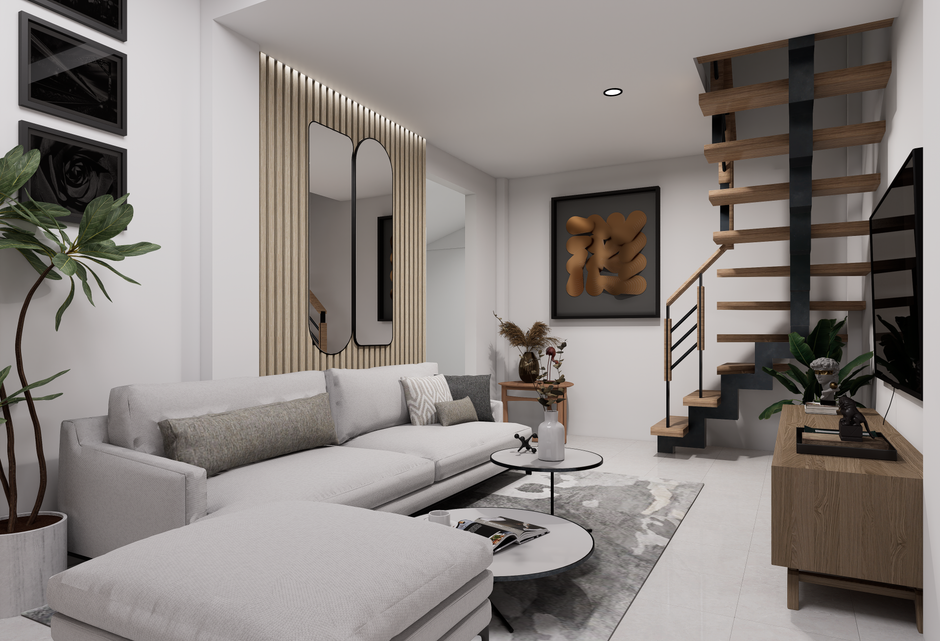
Cape Coral’s residential character is evolving beyond its reputation as a collection of vacation homes and into a landscape defined by generational turnover and localized community activism. As new families move into the historic core near the Yacht Club and retirees continue to anchor the northern sectors, the city is shifting from a quiet canal-front retreat to a complex urban environment. The neighborhood identity is now forged by the residents who maintain the local gardens and those who congregate at the community hubs that define daily life.
The Pulse of the Waterfront Districts
Life in the Southwest quadrant remains synonymous with the city's identity, particularly along the winding streets surrounding the Cape Coral Yacht Club. This area serves as a primary gathering point, with long-term residents and recent arrivals mingling near the pier and the nearby community pool. Further north, the neighborhoods bordering the Burnt Store Road corridor represent a different facet of the city, characterized by expansive lots and proximity to the Matlacha Pass Aquatic Preserve. These areas highlight the diversity of the local experience, where the preservation of Florida’s natural wetlands often takes precedence over new residential development.
Community engagement is facilitated by organizations such as the Cape Coral Community Foundation, which coordinates various neighborhood initiatives aimed at maintaining public spaces. These programs rely on local volunteer participation to ensure that recreational sites remain accessible. Recent municipal planning records indicate that infrastructure improvements, including road widening and utility upgrades, are concentrated in these high-growth corridors to accommodate the steady influx of new homeowners.
Growth Patterns and Market Dynamics
Real estate trends in Cape Coral show that demand remains robust for properties with direct gulf access, though the inland neighborhoods continue to offer entry points for residents seeking proximity to the city's retail centers. According to the June 2026 housing market data released by the City of Cape Coral, the inventory levels for single-family homes have shown signs of stabilizing compared to the volatility experienced in previous years. This balance has provided a steadier environment for those moving into established areas like the Pelican neighborhood, where the aesthetic of the community is maintained through active homeowner association oversight.
For those looking to settle in the city, the current climate favors a thorough investigation of regional flood zones and proximity to the city's planned commercial districts. Prospective residents are encouraged to consult the Cape Coral Department of Community Development's interactive zoning maps before making commitments. Engaging with local neighborhood associations provides a direct line to understanding the specific culture and future development plans for each individual district.