policy
Cape Coral Voters to Decide Property Tax Cap in November Election
The measure would restrict annual increases in the city's millage rate to the prior year's inflation figure, directly changing what property owners pay on tax bills mailed each November.
How we reported this
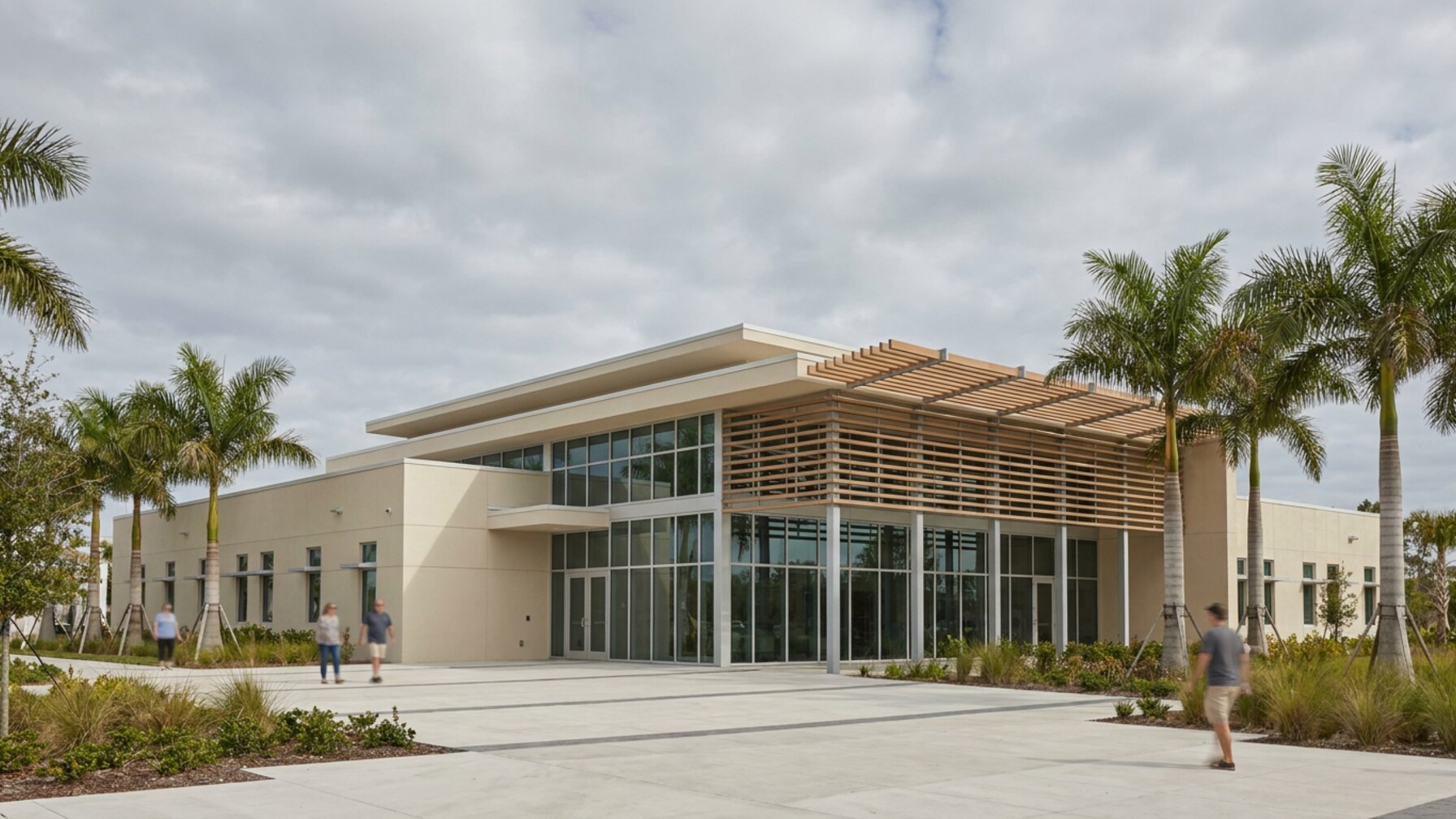
The Cape Coral City Council placed a referendum on the November 3, 2026 ballot that would cap future increases in the local property tax millage rate at the rate of inflation recorded the previous calendar year. The change would apply to all parcels within city limits, including single-family homes in the 33904, 33909 and 33914 zip codes. If approved, the cap would take effect with the 2027 tax roll prepared by the Lee County Property Appraiser.
Why the measure appears now
City budget documents for fiscal year 2026 show that property tax revenue funds 42 percent of general fund operations, including police, fire and parks maintenance. Over the past three years the millage rate has risen from 6.25 to 6.95 mills to cover rising costs for fuel, insurance and employee salaries. The referendum responds to a citizen petition filed in May 2026 that gathered the required signatures to place the inflation-linked limit before voters.
Policy analysts note that the average Cape Coral home assessed at $312,000 in 2025 paid $2,165 in city property taxes. Under the proposed cap the same home would see its tax bill rise by no more than the Consumer Price Index for the South region, which stood at 3.1 percent in 2025. Local advocates note that the limit would also apply to future reassessments, keeping the taxable value growth tied to the same inflation measure.
Effects on household budgets
For a household with a $45,000 annual income, the current city tax bill equals roughly 4.8 percent of gross income. The cap would hold that share steady even if home values continue to climb, leaving more of the monthly budget for groceries, utilities and transportation. Residents who pay through escrow accounts would see smaller adjustments in their mortgage payments after the first year the cap is in place.
The legislation states that the cap does not affect special assessments for stormwater or fire protection districts, which are levied separately. It also leaves untouched the county and school district portions of the tax bill, which together account for about 70 percent of the total property tax statement received by Cape Coral owners.
What happens next is a public hearing scheduled for August 18, 2026, followed by the distribution of a voter information pamphlet prepared by the city clerk. Ballots will list the measure as Question 1. If voters approve it, the city finance department will recalculate the 2027 millage rate using the inflation figure published by the U.S. Bureau of Labor Statistics in January 2027.