policy
Cape Coral Adopts New Affordable Housing Policy; Local Residents to See Increased Access and Development Incentives
The city’s revised affordable housing strategy aims to expand housing options for low- and moderate-income residents through development incentives and streamlined approval processes.
How we reported this
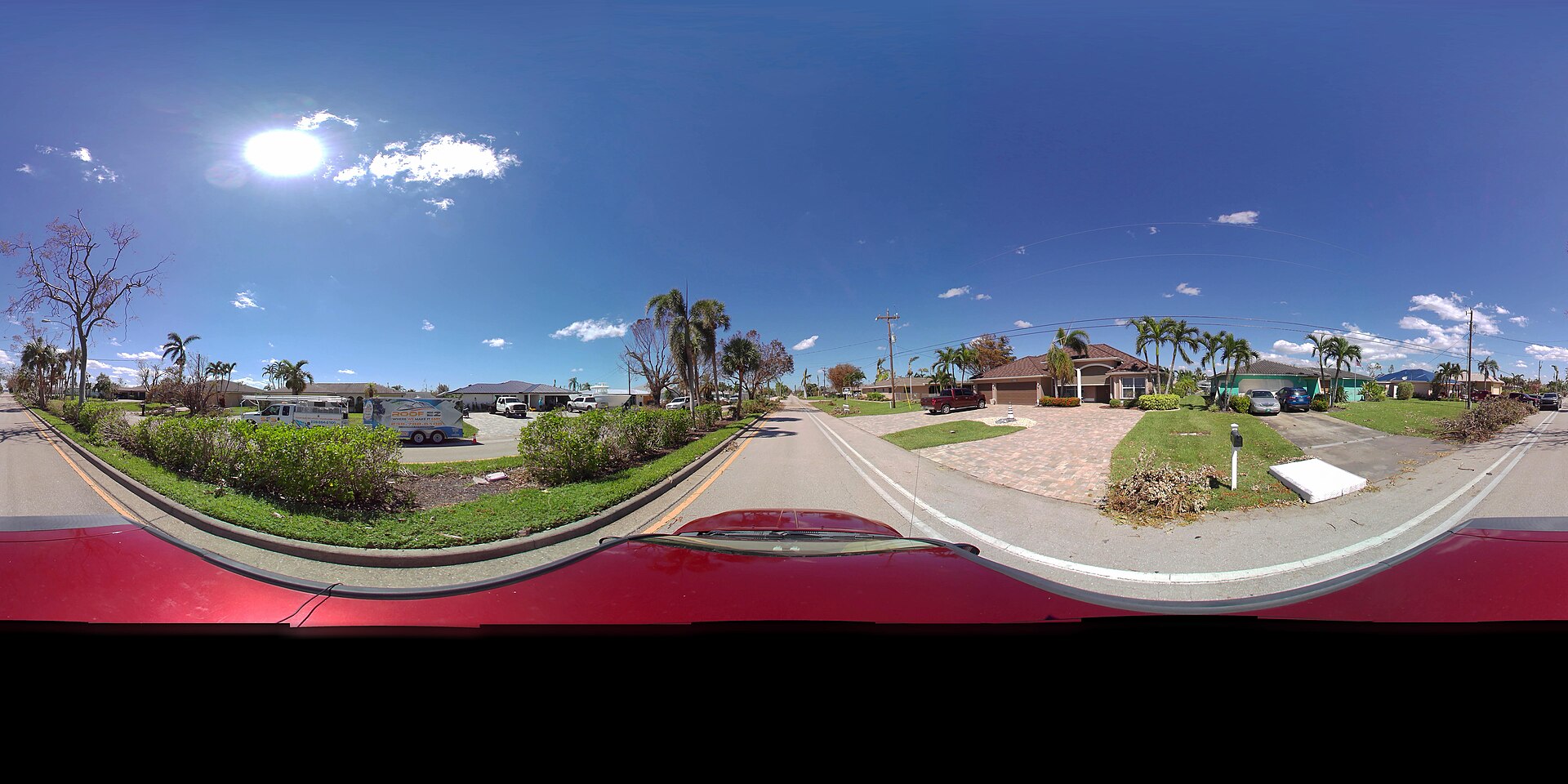
Cape Coral’s city council approved an updated affordable housing policy on July 9, which affects local developers, renters, and low-income families across the city. The policy introduces incentives such as density bonuses and expedited permitting for projects that include affordable units. These changes are designed to address housing shortages and rising prices impacting many residents.
Housing affordability has emerged as a pressing concern in Cape Coral, where median home prices rose by 12% in 2025, outpacing wage growth. With the city’s population growing steadily-up 3.2% last year-municipal leaders have prioritized boosting affordable housing supply to prevent displacement and reduce commuting distances. Other Florida cities with similar population sizes, such as Fort Myers and Port St. Lucie, have adopted comparable policies but Cape Coral's approach includes a stronger emphasis on reducing permit delays to attract investment.
Implications for Cape Coral Residents
Under the new rules, developers who include a minimum of 15% affordable housing units in their projects may add up to 20% more units beyond standard zoning limits. This increase aims to create more rental and ownership opportunities for families earning up to 80% of the area median income, which was $66,500 for Lee County in 2025. For example, a 50-unit apartment complex could add 10 extra affordable units under these incentives.
The policy also streamlines the application process for these developments, shortening the average approval time from six to four months, according to city planning officials. Reduced wait times are expected to lower costs and encourage more projects, which could expand housing choices in neighborhoods such as Mid Cape and North Cape. Residents currently facing long commute times due to housing location may benefit as affordable options become available closer to workplaces and services.
Comparing Cape Coral to Peer Cities
Data from the Florida Housing Coalition indicates that Cape Coral's new targets for affordable housing inclusion are higher than those in nearby Fort Myers, which requires only 10% inclusion with less generous density bonuses. While Port St. Lucie provides similar percentages, it lacks Cape Coral's provision for expedited review. The city budget allocated $3.7 million in the 2026 fiscal year to support affordable housing development and subsidies, reflecting a 22% increase over last year’s allocation.
Policy analysts note that such fiscal commitments coupled with regulatory adjustments often serve as effective levers in stimulating affordable housing construction. The city plans to monitor applications and project completions closely, providing annual reports to the public on progress made and challenges encountered under the new policy framework.
Going forward, Cape Coral city officials expect to begin receiving proposals under the updated policy by September 2026. Outreach efforts include workshops for developers and community organizations to familiarize them with the changes. The policy’s impact on housing availability and affordability is projected to become clearer over the next 18 to 24 months as new units come online and early reports are compiled.