policy
Cape Coral Council Approves Water Infrastructure Bond; Residents to See Higher Utility Bills
A $85 million borrowing measure passed Tuesday will fund stormwater and drinking water upgrades, but council members acknowledged the cost will likely be passed to households within 18 months.
How we reported this
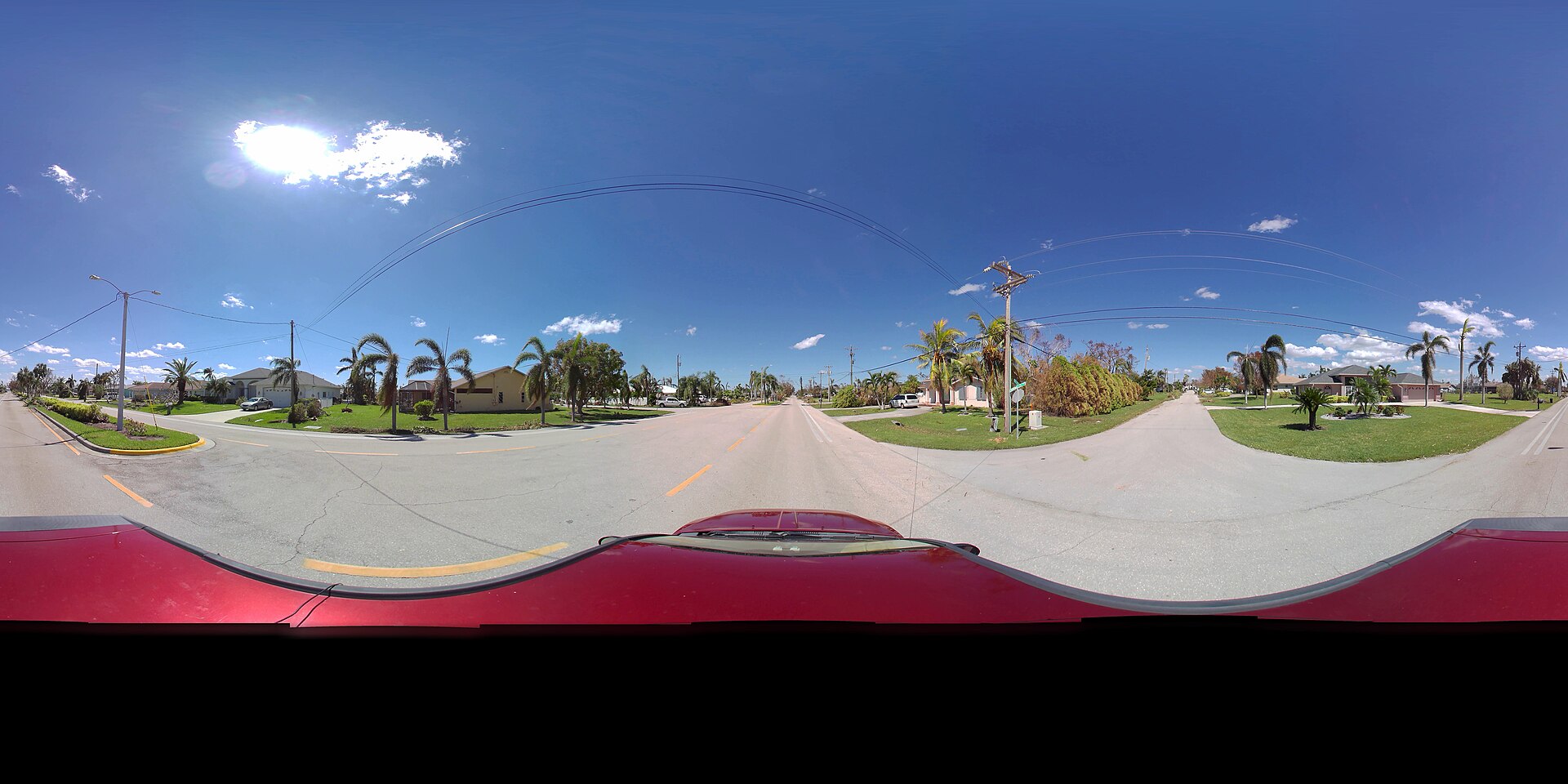
Cape Coral's city council voted 4-1 on Tuesday to approve a $85 million general obligation bond for water infrastructure improvements, moving the city forward on a decade-long list of aging pipe replacements and stormwater system upgrades. The measure, which does not require voter approval under the city's charter, will fund projects across 47 neighborhoods identified as priorities by the Public Works Department since 2016.
The timing reflects growing pressure on Florida municipalities to address deteriorating water systems. The Florida Department of Environmental Protection reported last year that Cape Coral's water loss rate stood at 14.2 percent-meaning roughly one in seven gallons escapes through leaks before reaching customers. That compares to a statewide average of 10.8 percent. Council member Patricia Perrone, who voted against the measure, said during the meeting that "residents deserve transparency about what their water bills will look like," noting that similar bonds in Tampa and St. Petersburg resulted in rate increases between 8 and 12 percent over three years.
What the Projects Will Cover
The bond funds three categories of work. First, 22 miles of aging drinking water mains, some installed in the 1970s, will be replaced in central and southwest Cape Coral. Second, the city will upgrade stormwater drainage systems in Pelican, Seminole Woods, and Diplomat Parkway neighborhoods, addressing flooding during heavy rainfall events that residents reported to council 31 times in the past two years. Third, the city will install advanced metering infrastructure across all 120,000 customer accounts by 2029, allowing residents to monitor consumption in real time through a mobile app.
The Public Works Director, Michael Chen, told council members the city has deferred maintenance on these systems for approximately $120 million in total liabilities. He stated that the bond addresses the highest-priority items and that "we can no longer absorb these costs through general fund operations." The city expects to issue the first tranche of bonds in September, with construction beginning in October on the drinking water replacement program.
Rate Impact and Timeline Ahead
City Finance Director Sarah Okonkwo said in a presentation to council that the bond's principal and interest costs total approximately $135 million over 20 years. Under the current utility rate structure, she said the city would need to increase water and sewer rates by between 9 and 11 percent beginning in fiscal 2028, though she noted that figure could shift based on actual borrowing costs. The city's current base water rate for residential customers is $8.47 per 1,000 gallons; a 10 percent increase would add roughly $6.50 to a typical household's monthly bill.
Council member James Rodriguez, who voted in favor, said during the meeting that "delaying this work means we're choosing higher rates later and worse service in the meantime." He cited city maintenance records showing that pipe breaks have increased 23 percent since 2020, and that emergency repairs in the past fiscal year cost $3.2 million-money that could be directed to other services if the infrastructure were modernized.
The city will hold a public meeting on August 15 at City Hall to discuss the bond and rate schedule. Residents interested in learning more about the specific neighborhood projects can review the full capital improvement plan on the city website under the Public Works Department page, updated July 8.